All About Skunks
Identification, Prevention and Removal
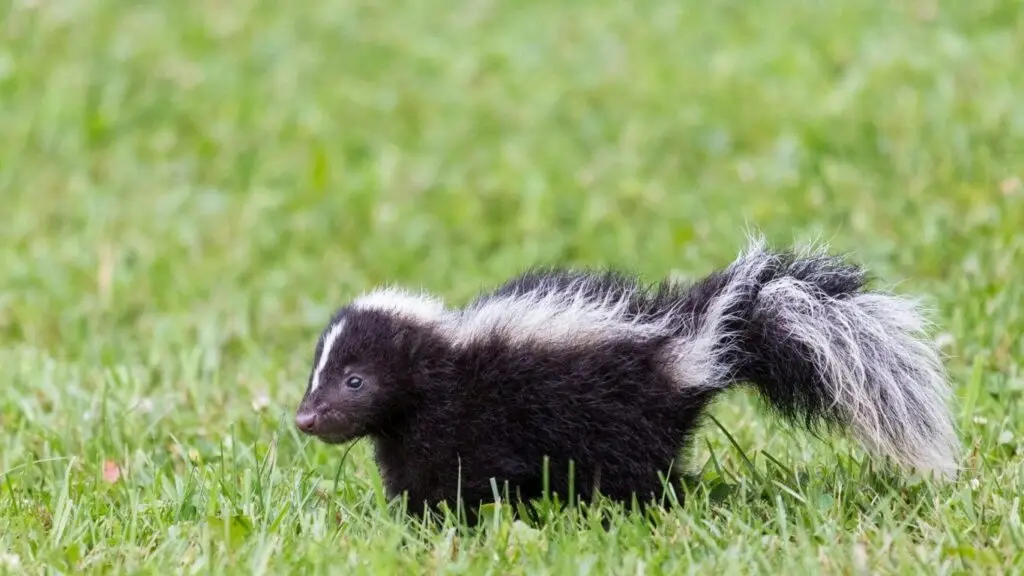
Skunks are one of the most recognizable wildlife species across Canada, instantly identified by their bold black-and-white markings and notorious defensive spray. While these animals play a role in local ecosystems by controlling insect and rodent populations, they can quickly become a serious nuisance when they decide to set up a den near your home or business.
Understanding skunk behavior is the first step toward protecting your property and family. Since skunks are fur-bearing mammals, their management falls under the Canada Wildlife Act, which means removal must be handled lawfully and humanely. Whether you are dealing with a skunk den under your deck or simply want to prevent one from forming, this comprehensive guide covers everything you need to know about skunk identification, prevention, and professional removal in Ontario.
How to Identify a Skunk Den on Your Property
Skunks are opportunistic nesters. They do not hibernate through the winter, but they do enter periods of reduced activity where they seek warm, sheltered spaces to rest. Common den locations include abandoned animal burrows, hollow logs, crawlspaces, the undersides of decks and sheds, rock piles, stacked firewood, and the spaces beneath porches and front stoops.
During the coldest months, skunks are known to congregate in communal dens. It is not unusual to find groups of up to 20 skunks sharing a single shelter site, particularly when temperatures drop dramatically. If you suspect skunk activity on your property, keep an eye out for these telltale signs:
- A persistent, musky skunk odor near ground-level structures
- Freshly disturbed or excavated soil around the perimeter of a shed, deck, or foundation
- Skunk droppings located near potential den entrances
- Scratch marks or worn pathways along fences, garden beds, or under outbuildings
One reliable method for confirming an active den is to loosely pack the entrance with soil or light debris. If the material is pushed aside within a few days, the den is occupied.
Why Skunks Spray and How to Avoid It
Skunks rely on their spray as their primary line of defense. They are not aggressive animals by nature, but they will not hesitate to use their chemical weapon if they feel threatened or cornered. The spray itself is a sulfur-based oily compound secreted from glands near the tail. It can travel four to six meters with impressive accuracy and clings to skin, clothing, and pet fur for days if not treated properly.
A skunk can fire this spray up to six times before needing to replenish its supply, which takes several days. This means a single encounter can result in multiple exposures if you or your pets do not retreat quickly enough.
Warning Signs Before a Skunk Sprays
Skunks are actually quite polite about warning you before they spray. They give clear, observable signals before resorting to their chemical defense:
- Stomping the front feet on the ground in rapid succession
- Raising and puffing out the tail as a visual warning
- Hissing, growling, or making short charging movements toward a threat
- Arching the back and twisting the body so both the head and tail face forward
If you observe any of these behaviors, the correct response is to back away slowly and calmly. Sudden movements or loud noises will accelerate the decision to spray. Always keep pets on a leash in areas where skunks are known to be active, particularly at dawn and dusk when these animals are most mobile.
For safe skunk encounters and professional removal services, contact Tom Wildlife and Pest Control, Ontario.
What Sounds Do Skunks Make?
Most people associate skunks exclusively with their smell, but these animals are also surprisingly vocal. Knowing what sounds to listen for can help you identify skunk activity before you ever see one, which is particularly useful since skunks are nocturnal and most active after dark.
- Growling: A low, rumbling growl signals that a skunk feels threatened and is preparing to defend itself
- Squealing: A high-pitched squeal typically indicates pain or extreme distress
- Hissing and cooing: Female skunks produce these softer sounds when communicating with or protecting their young
- Foot stomping: This rhythmic stomping is both a warning sound and a visual signal
- Scratching and tapping: The sound of claws on wood or soil indicates a skunk is digging or foraging nearby
If you are hearing unexplained scratching, tapping, or rustling sounds from beneath your deck or shed during nighttime hours, skunk activity should be among your first considerations.
Can Skunks Climb? Understanding Species Differences
This is a question that surprises many homeowners. The answer depends on the species you are dealing with, and getting this detail right can help you predict where a skunk might nest and how to seal off entry points effectively.
Striped Skunks
The striped skunk (Mephitis mephitis) is by far the most common species found across Ontario and the rest of Canada. These animals are poor climbers and generally stay at ground level. They are, however, exceptional diggers. Striped skunks are responsible for most cases of turf damage, burrowing under structures, and digging along fence lines in residential areas.
Spotted Skunks
Spotted skunks (Spilogale species) are far more agile. They are capable climbers and have been known to access elevated structures, including attic spaces, in some regions. If you are dealing with skunk activity in a location that a striped skunk could not realistically reach, a spotted skunk may be the culprit. Identifying the species will help your wildlife removal professional choose the most effective strategy.
Common Problems Skunks Cause in Residential Areas
Skunks create a wide range of issues for homeowners, gardeners, and property managers. Understanding the full scope of potential damage helps you respond quickly and prioritize the right prevention or removal strategy.
- Digging under fences, garden borders, sheds, and decks to access shelter or food
- Raiding chicken coops and outdoor enclosures in search of eggs or small prey
- Tipping over and rummaging through unsecured trash cans
- Tearing up lawns overnight while foraging for grubs and soil insects
- Creating persistent odor problems near den sites or after defensive spraying
- Producing loud scratching and digging sounds throughout the night
- Posing health and safety risks to children and pets through spray exposure or disease transmission
Lawn damage from skunk foraging is often mistaken for other causes. If you notice patches of rolled-up or torn turf overnight, particularly in late summer and fall when grubs are near the surface, skunks are a likely culprit. The same behavior also indicates the presence of a food source that will continue drawing them back until it is addressed.
Health Risks Associated with Skunks
Beyond the immediate unpleasantness of skunk spray, these animals carry genuine health risks that every property owner should take seriously.
Rabies
Skunks are one of the most common carriers of the rabies virus in North America. A skunk that is behaving unusually, such as appearing disoriented, moving in the daytime, or acting without fear toward humans, should be treated as a serious risk. Never attempt to handle a wild skunk under any circumstances. Contact a professional immediately.
Parasites
Skunks can harbor a variety of external parasites including fleas and ticks, all of which can be transferred to household pets or even humans. If your pet has had contact with a skunk, a veterinary examination is advisable.
Skunk Spray Hazards
- Eye irritation and temporary vision impairment from direct spray contact
- Skin irritation including redness, itching, and localized rash
- Respiratory discomfort, including coughing, nausea, and shortness of breath when spray is inhaled in an enclosed area
Children and individuals with respiratory sensitivities such as asthma are at elevated risk from secondary spray exposure. If a skunk sprays inside or immediately adjacent to your home, ventilating the affected area and seeking professional deodorization assistance is strongly recommended.
Effective Ways to Keep Skunks Away from Your Property
Prevention is always preferable to removal. A few targeted modifications to your property can make it far less attractive to skunks before they ever settle in.
- Secure all outdoor trash cans with locking or weighted lids
- Remove or store pet food indoors every night without exception
- Block access beneath decks, sheds, porches, and other ground-level structures using galvanized wire mesh or hardware cloth
- Install perimeter fencing with the bottom edge buried at least 15 centimeters underground to prevent digging underneath
- Promptly clean up fallen fruit, birdseed, and other organic debris from garden areas
- Address grub infestations in your lawn, which are a primary food source drawing skunks onto the property
- Install motion-activated lighting around the perimeter of your home, as skunks prefer undisturbed darkness
Commercial skunk deterrents are available, but their effectiveness varies considerably. Physical exclusion methods, meaning blocking access to shelter and removing food sources, consistently outperform scent-based repellents in the long term.
Persistent skunk activity despite prevention measures is a sign that professional intervention is needed. Tom Wildlife and Pest Control, Ontario provides expert, humane solutions for homeowners and businesses throughout the region.
How to Safely Check and Remove a Skunk Den
If you believe a skunk has already established a den on your property, approach the situation carefully. The goal is to confirm occupancy, ensure no young animals are present, and then seal the entry point permanently once the den is vacated.
Checking for Active Occupancy
Loosely fill the den entrance with soil or crumpled newspaper. Check the site again after 48 to 72 hours. If the material has been moved aside, the den is active. If it remains undisturbed, the den may be empty and can be sealed.
Why Timing Matters
Skunk removal must account for breeding season. Female skunks typically give birth between April and June, and young kits remain in the den for several weeks before they are mobile enough to follow their mother. Sealing a den during this period can trap vulnerable animals inside, creating an additional problem. A licensed wildlife removal professional will assess the situation and choose the right timing to avoid this outcome.
Permanent Exclusion
Once the den is confirmed empty, seal all entry points with galvanized wire mesh or solid materials rated for wildlife exclusion. Extend any buried barriers a minimum of 30 centimeters into the ground at a slight outward angle to prevent re-digging. Inspect the area regularly in subsequent seasons to confirm that new activity has not resumed.
Professional Skunk Removal in Ontario
Dealing with skunks requires patience, the right knowledge, and a clear understanding of provincial wildlife regulations. Attempting DIY removal without experience carries real risks, including spray exposure, legal complications, and ineffective results that allow the animals to simply return.
Tom Wildlife and Pest Control, Ontario brings professional expertise to every skunk situation. Our team handles both residential and commercial properties, applying humane, regulation-compliant removal techniques that address the problem at its source. We identify active dens, determine the safest removal timing, apply permanent exclusion solutions, and provide guidance on preventing future wildlife conflicts.
Contact Tom Wildlife and Pest Control, Ontario today for a free estimate and professional assessment of your skunk situation. Protecting your property and your family starts with a single call.
Tom Wildlife and Pest Control, Ontario
Humane Wildlife Removal for Homes and Businesses